
How to Hire the Right CUDA/GPU Engineering Partner (and What to Ask Them)
A practical evaluation guide for outsourced CUDA/GPU engineering partners: what to look for, what to ask, and the red flags to avoid.
Read article →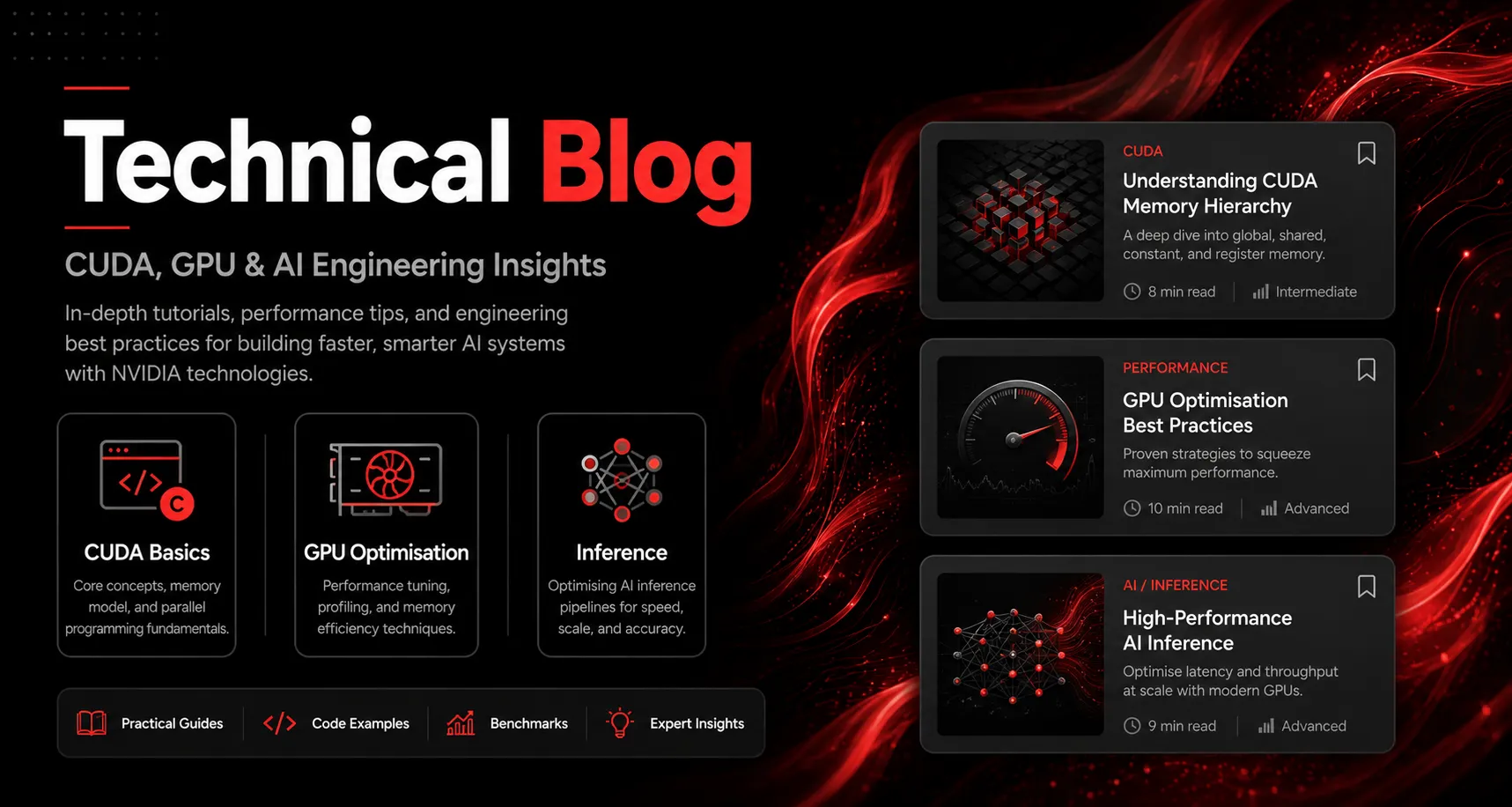
A practical evaluation guide for outsourced CUDA/GPU engineering partners: what to look for, what to ask, and the red flags to avoid.
Read article →Where library defaults leave performance on the table, and the profiling-driven process that makes custom kernel development worthwhile.
Read article →Why real-time video AI pipelines need the whole pipeline tuned, not just the model, and where CUDA acceleration matters most.
Read article →A practical workflow for using Nsight Systems and Nsight Compute to find the real bottleneck before optimizing anything.
Read article →The tuning decisions vLLM's defaults leave on the table, from batching configuration to quantization, on both H100 and B200.
Read article →FP4's memory and throughput appeal on Blackwell, what you give up in quality, and how to validate it before shipping it to production.
Read article →The rack-scale problems that determine GB200 NVL72 throughput, from NVLink topology to Grace CPU-GPU coordination.
Read article →How to weigh B200's performance case against H100's maturity and availability, and why tuning what you already have usually comes first.
Read article →The differences between B100, B200, and B300 that matter for procurement and tuning, not just which one is fastest on paper.
Read article →Where to focus tuning effort on a B200, from FP4 quantization to batch size, so expensive hardware converts into usable throughput.
Read article →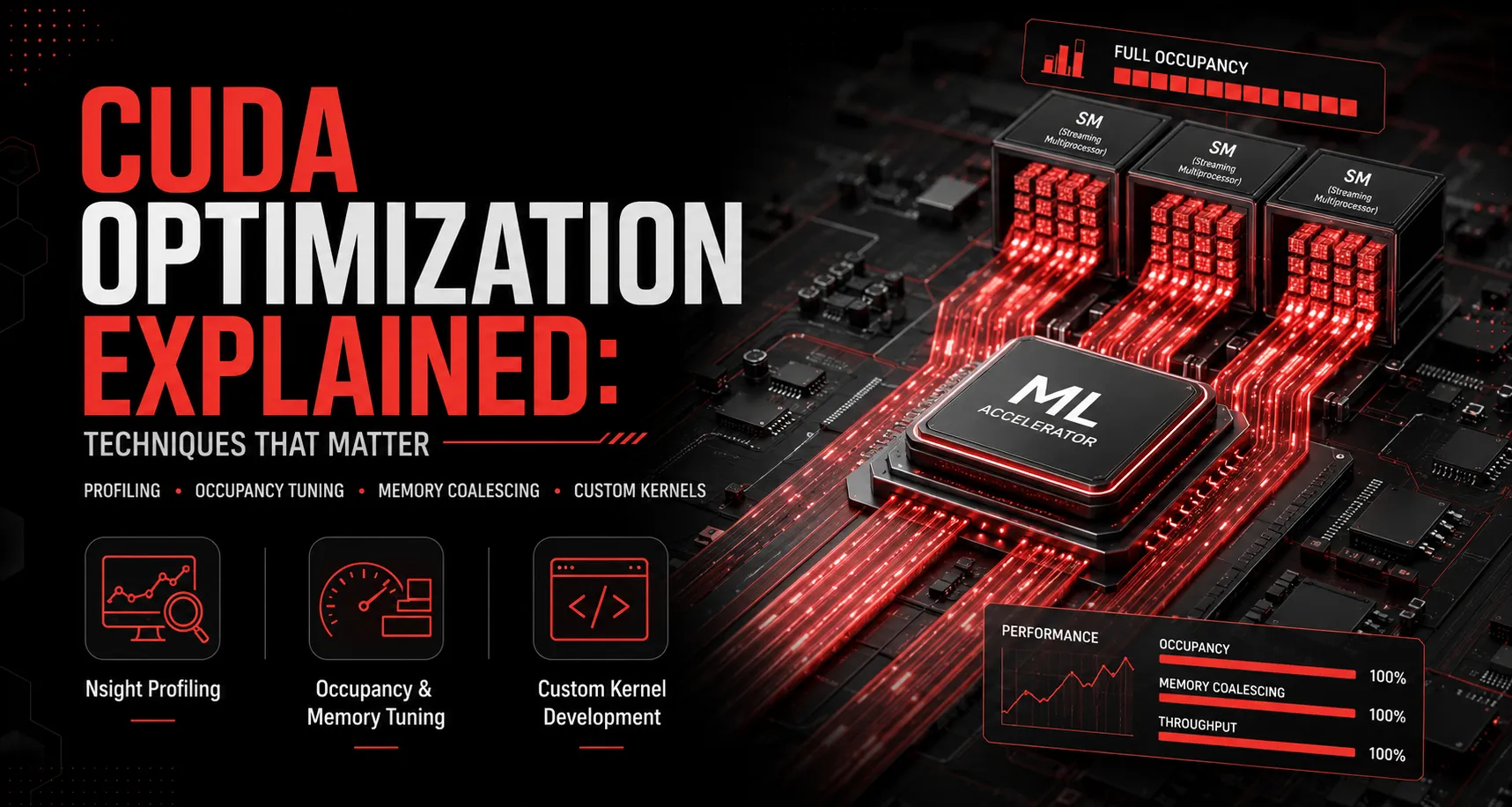
The specific set of techniques CUDA optimization really covers, and where the real gains tend to come from, starting with profiling instead of guessing.
Read article →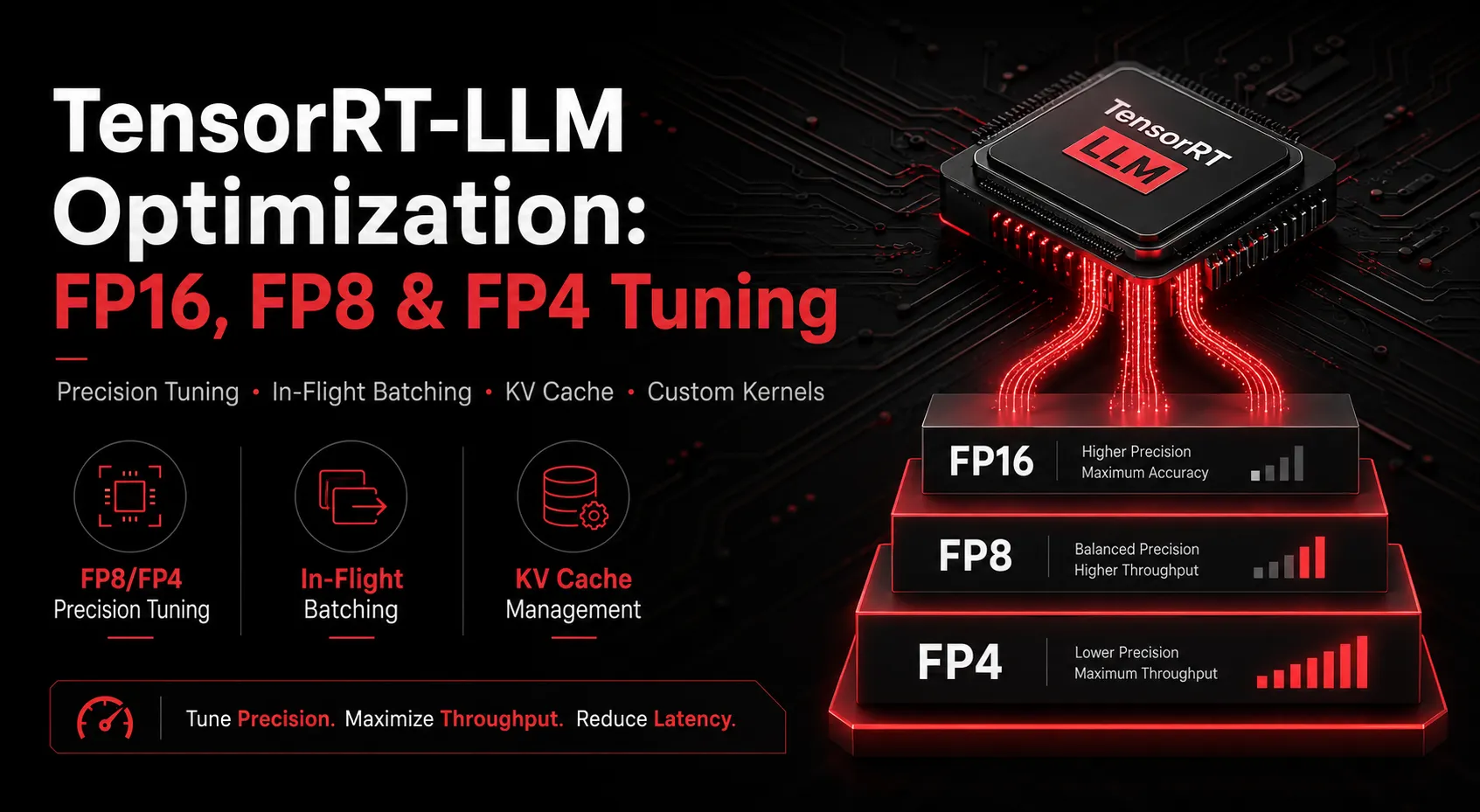
Getting the most out of NVIDIA's TensorRT-LLM engine requires tuning decisions at nearly every layer: precision, batching, KV cache, and engine builds.
Read article →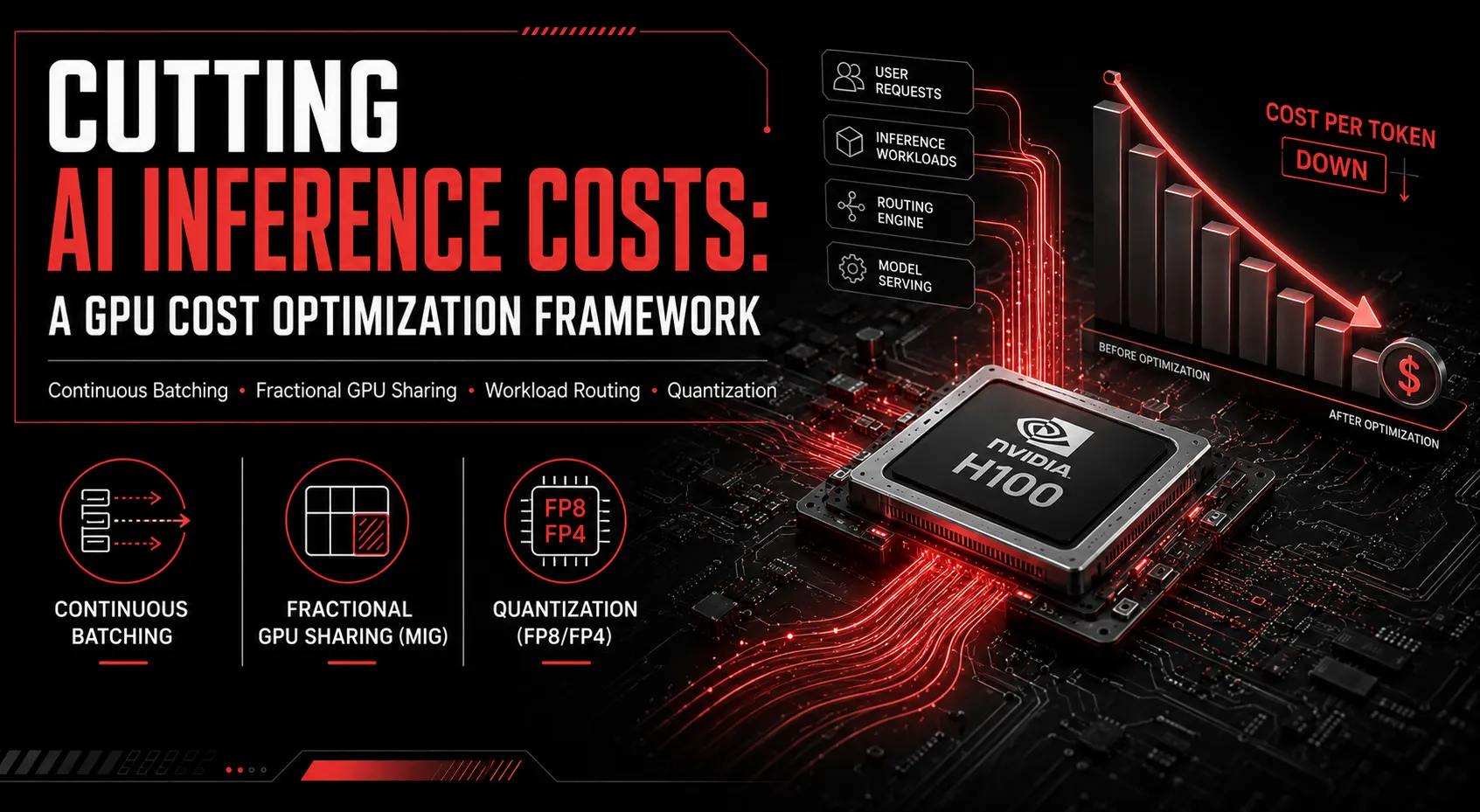
Why your GPU bill is high even when utilization looks fine, and a framework, ordered by effort, for bringing it down without re-architecting your model.
Read article →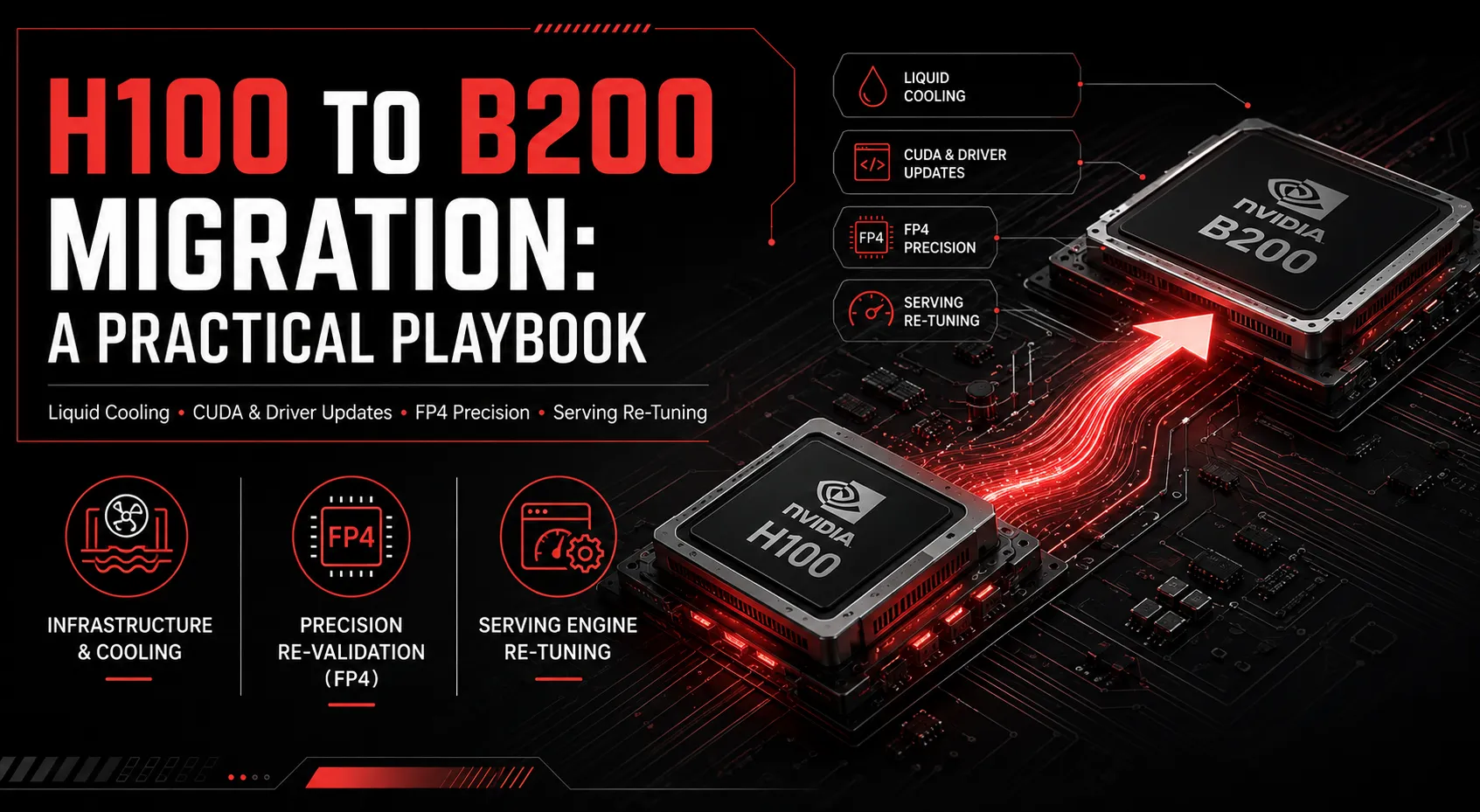
The infrastructure, software, and re-tuning work a straight H100-to-B200 hardware swap doesn't automatically account for.
Read article →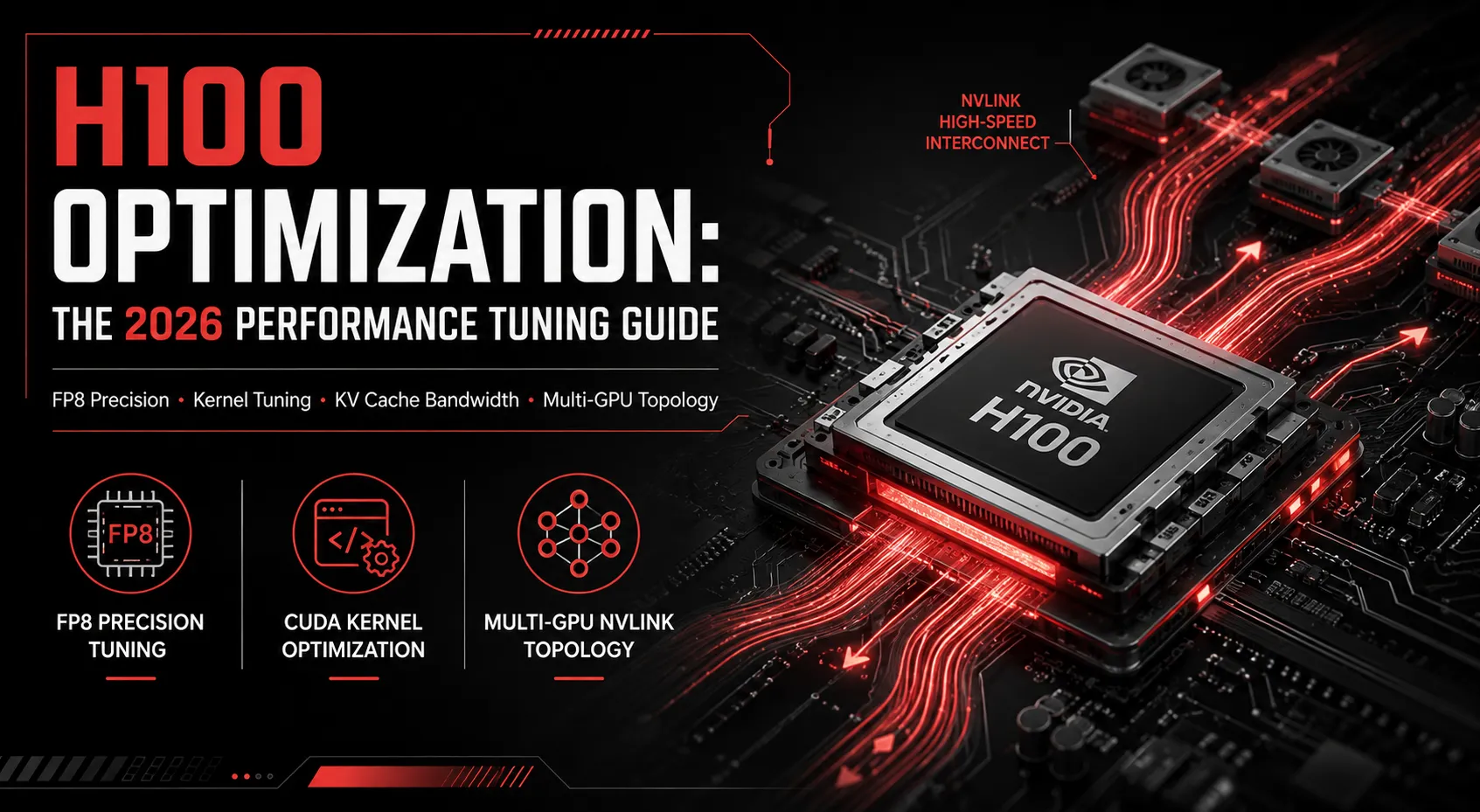
How to close the gap between the H100's theoretical throughput and what your workload actually achieves, without buying new hardware.
Read article →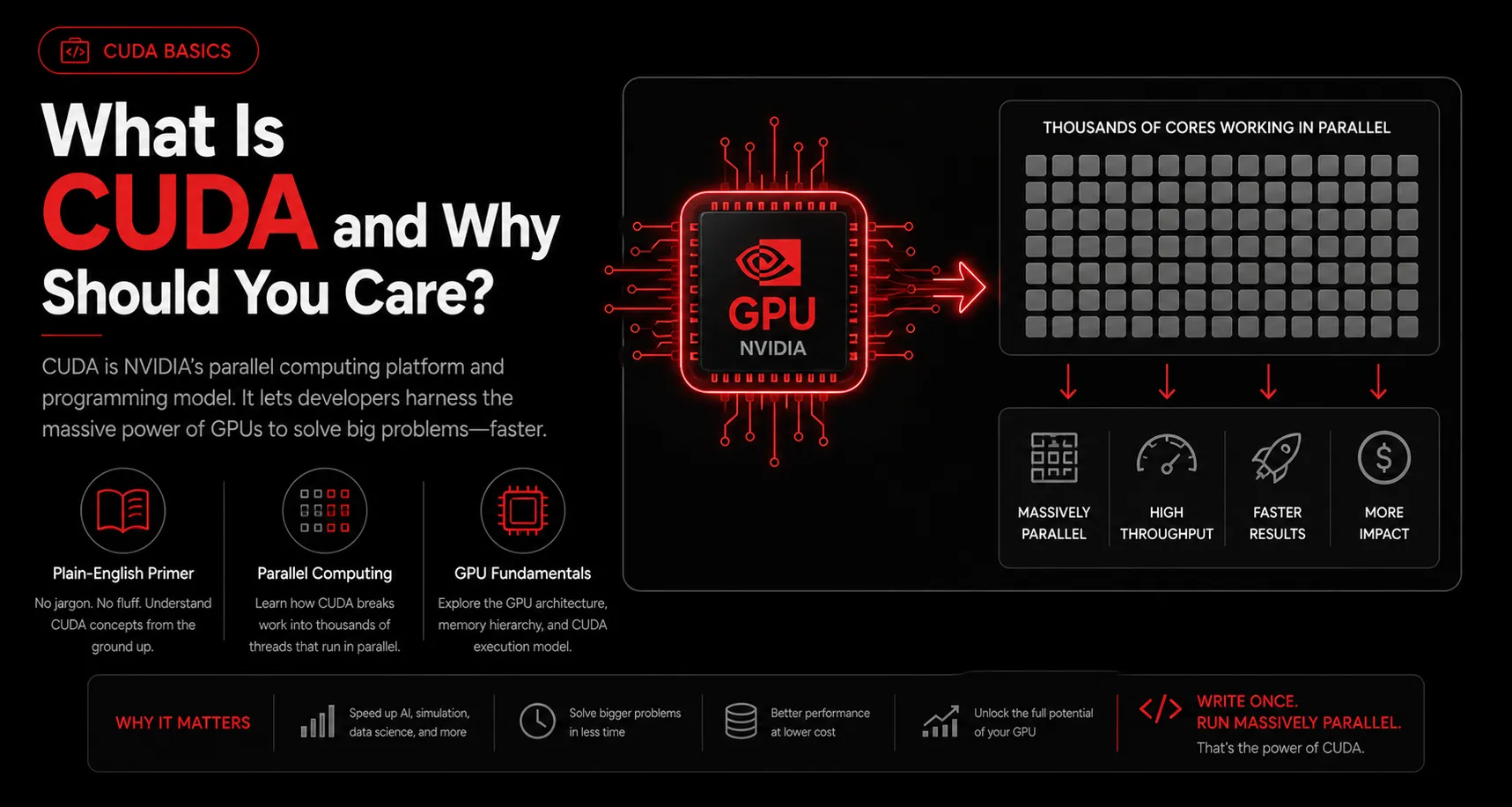
A jargon-free explanation of what CUDA is and why parallel GPU computing matters for modern workloads.
Read article →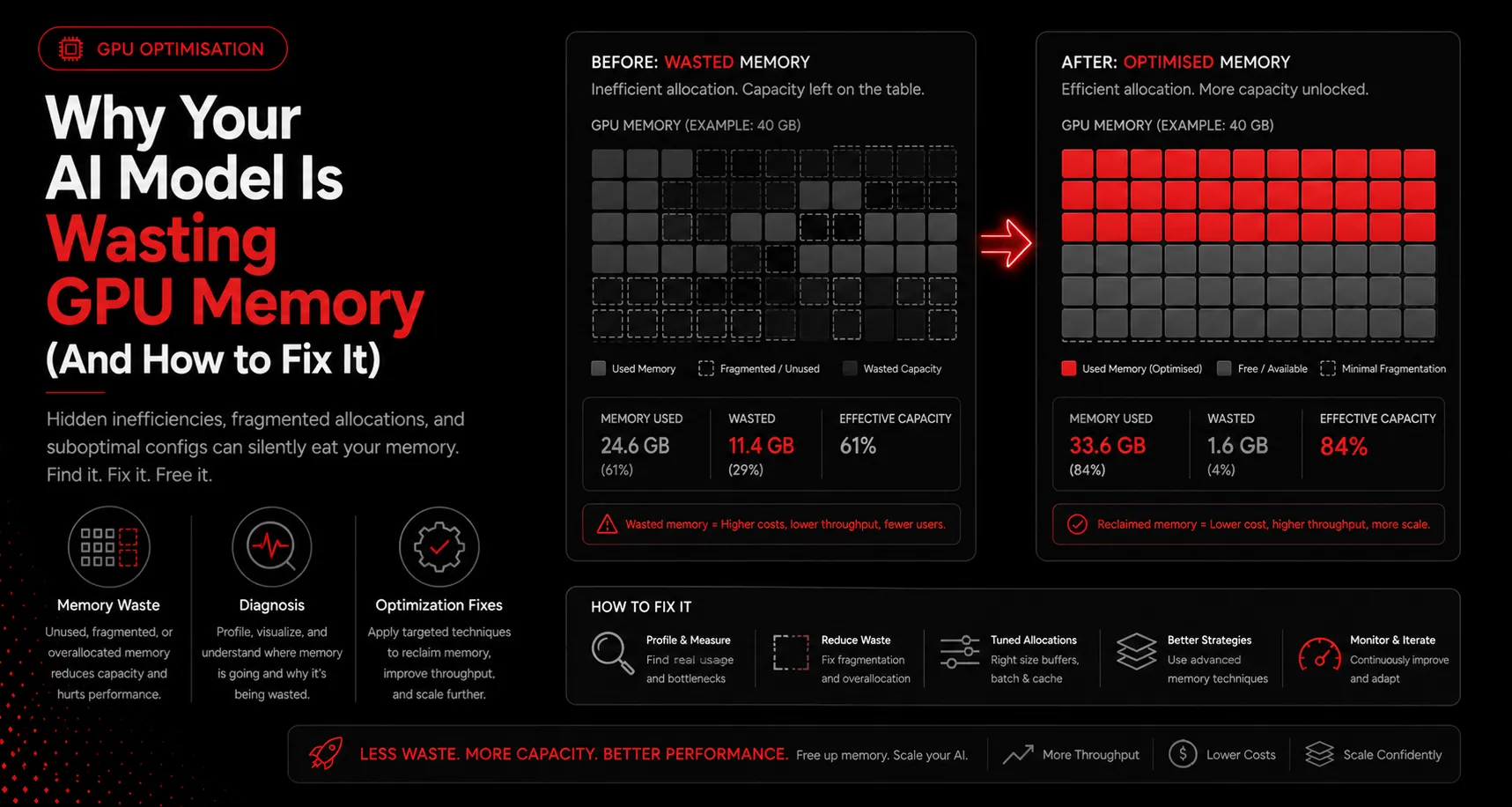
The usual culprits behind wasted GPU memory in AI serving and the fixes that reclaim it.
Read article →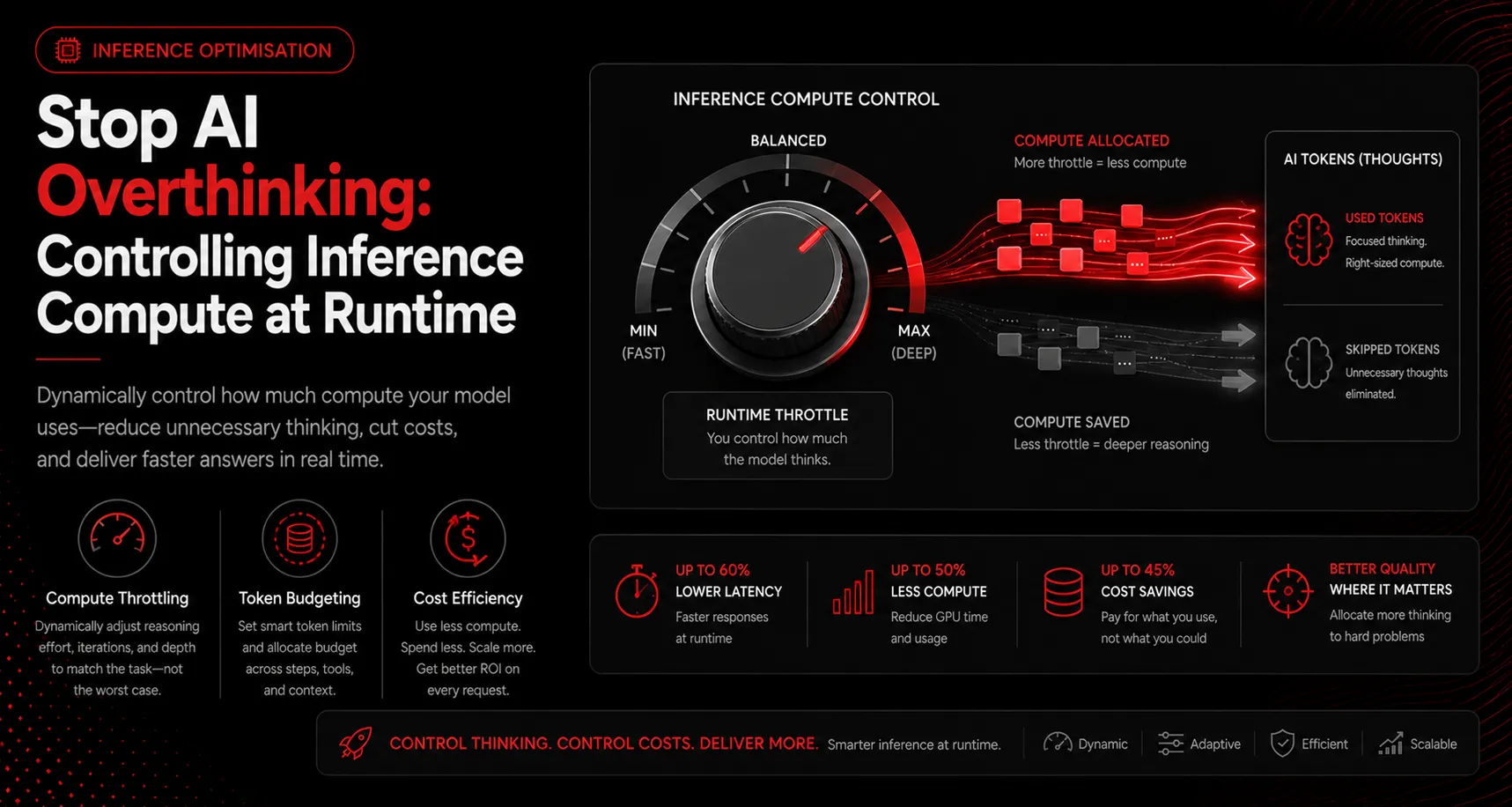
How to stop reasoning models from wasting compute on easy inputs using token budgets and adaptive reasoning.
Read article →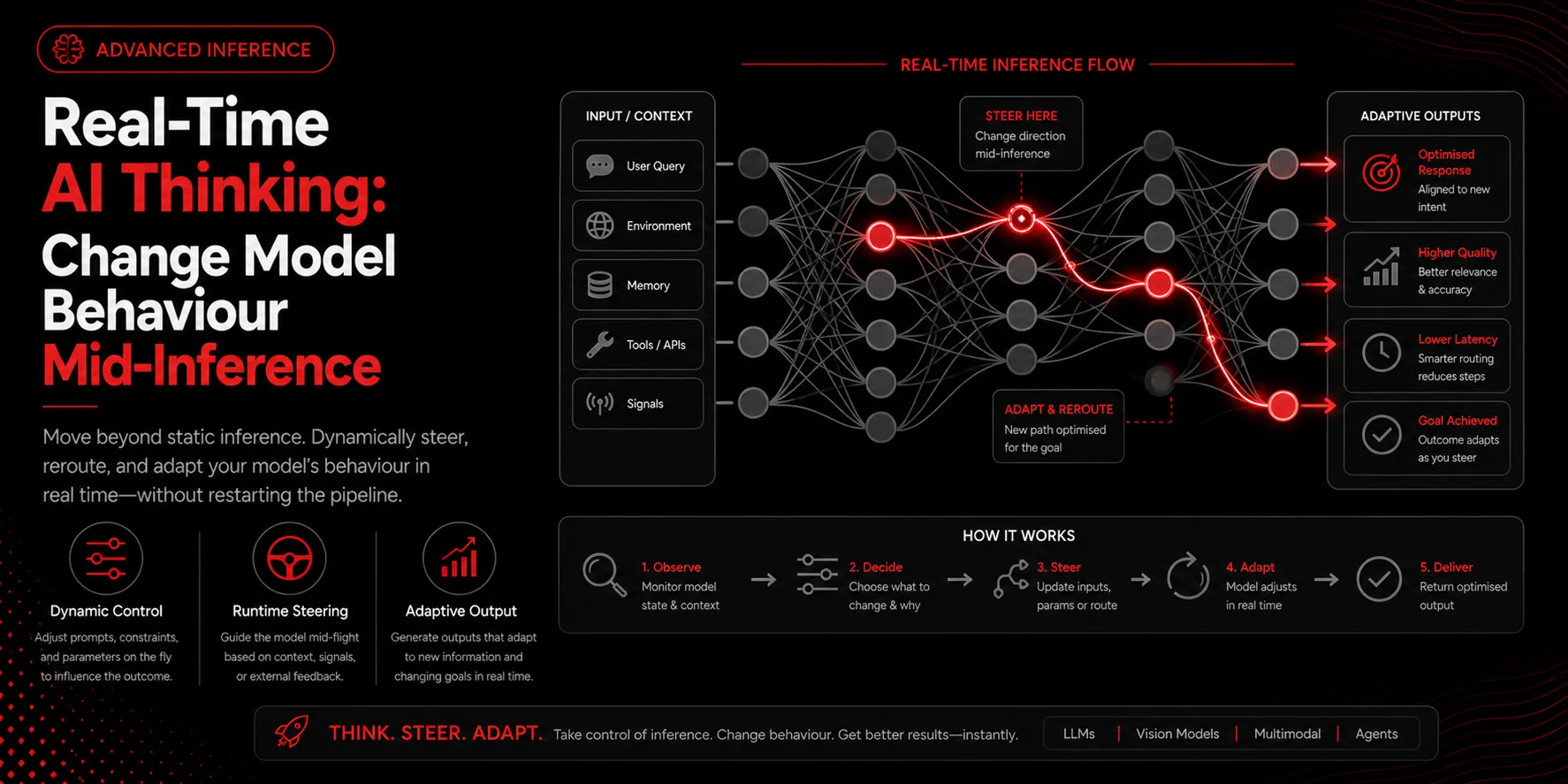
Techniques to steer an LLM while it generates, from logit control to dynamic stopping, for adaptive real-time output.
Read article →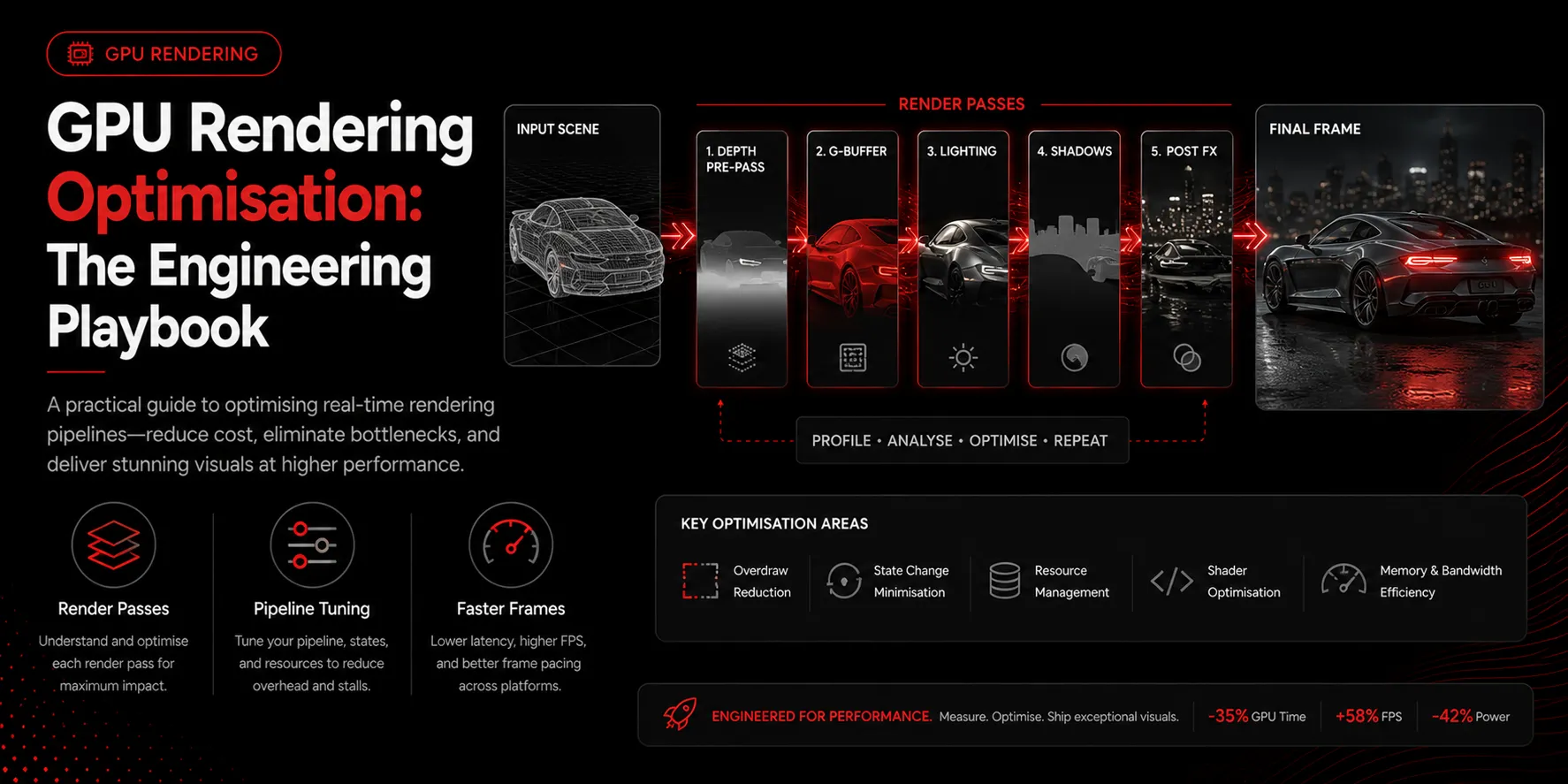
Practical techniques to cut frame time in GPU rendering: batching, culling, and pass-level profiling.
Read article →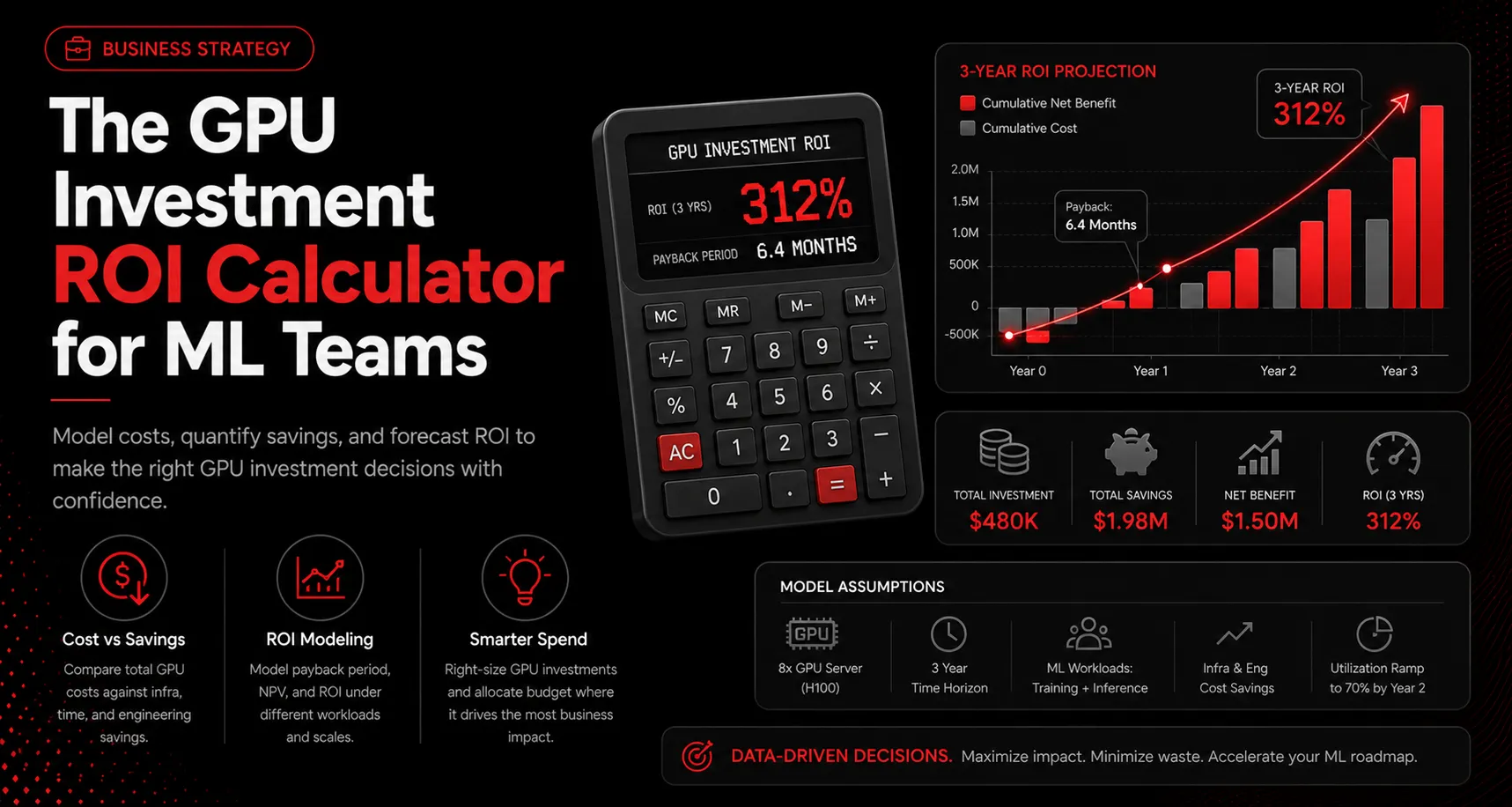
A framework for deciding when spending on GPU optimization pays for itself against ongoing infrastructure costs.
Read article →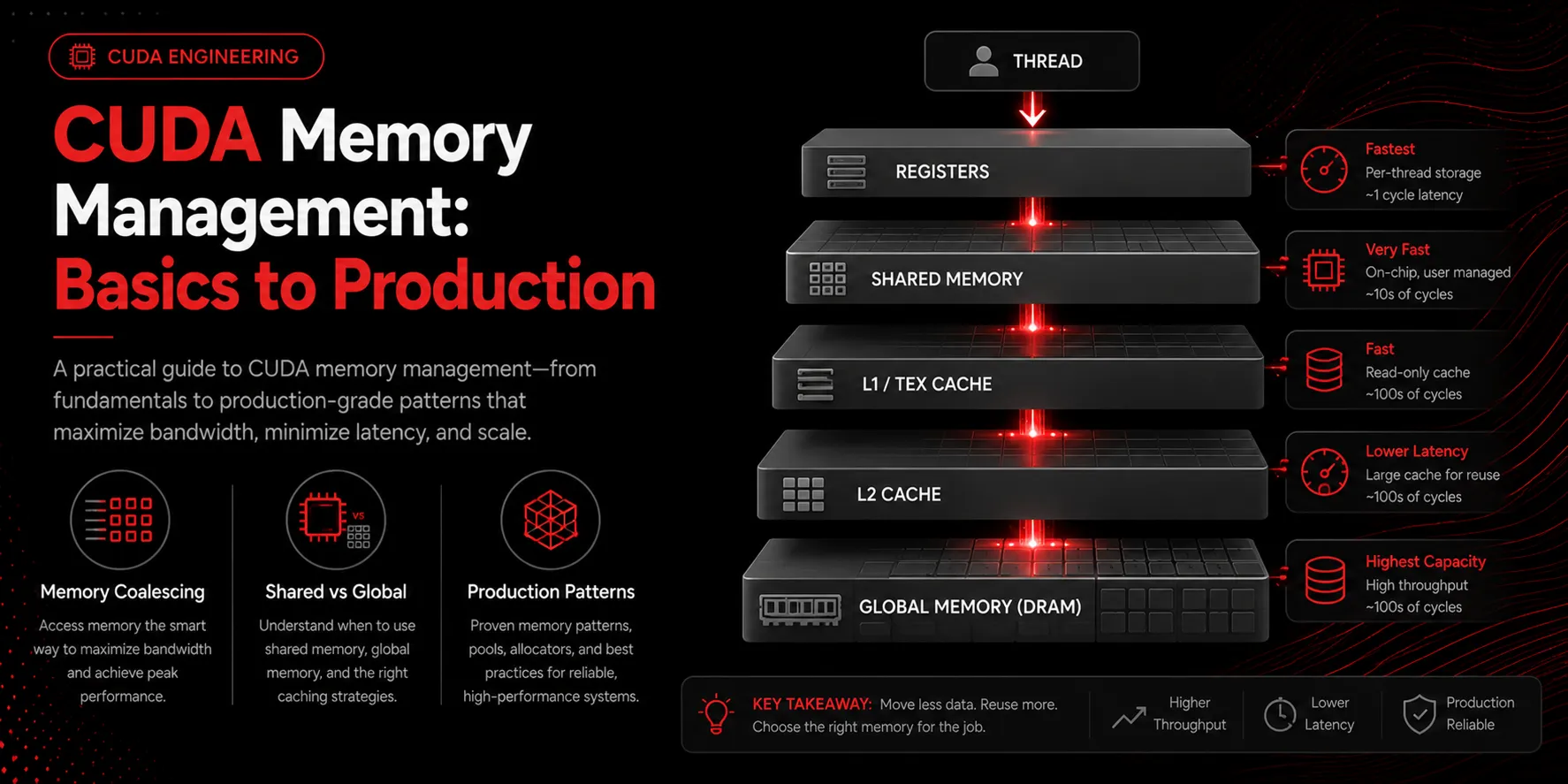
Understand the CUDA memory hierarchy and the pooling and coalescing patterns that keep production kernels fast.
Read article →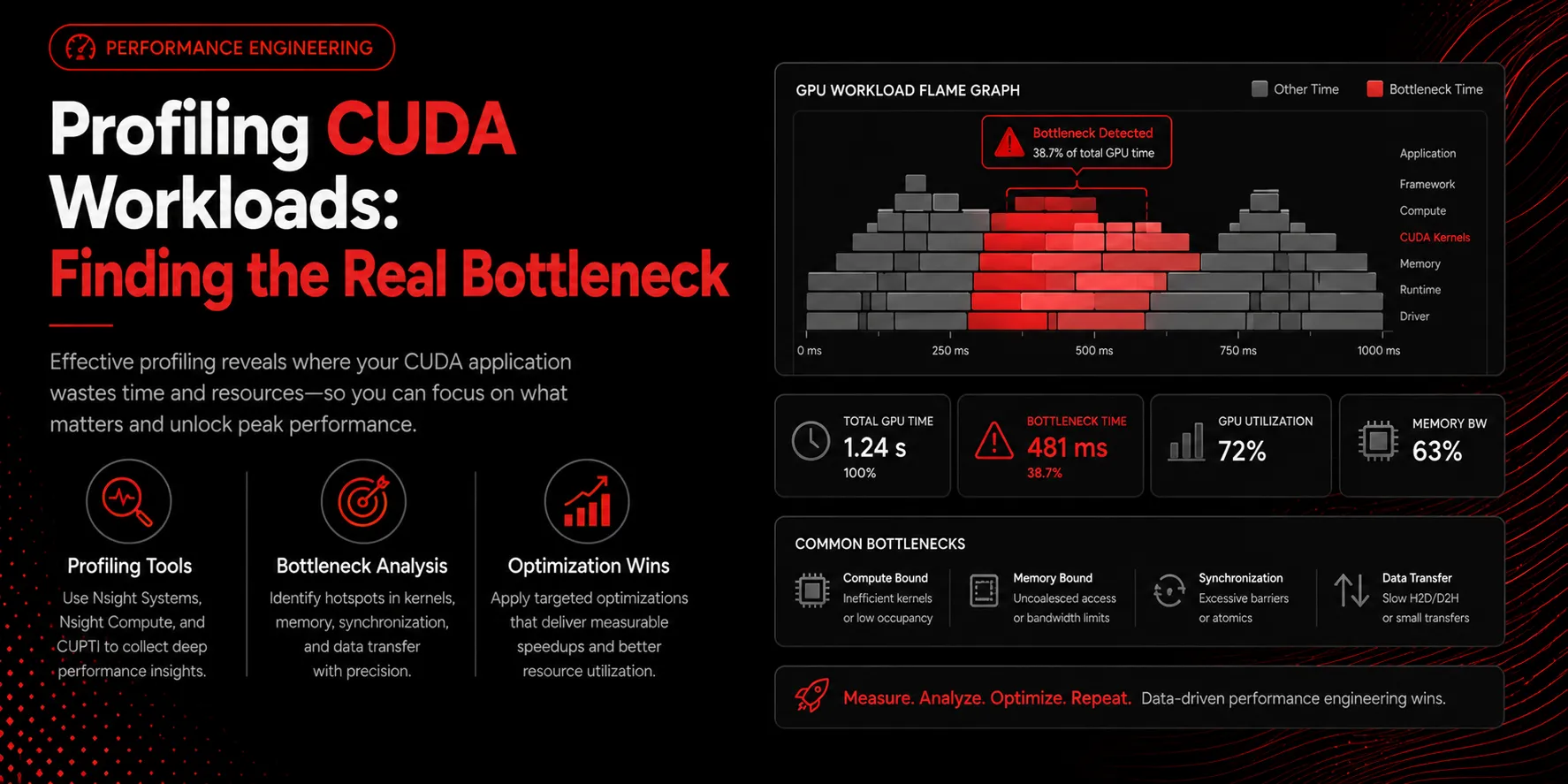
Use Nsight to distinguish compute-bound, memory-bound, and CPU-stalled workloads before you optimize anything.
Read article →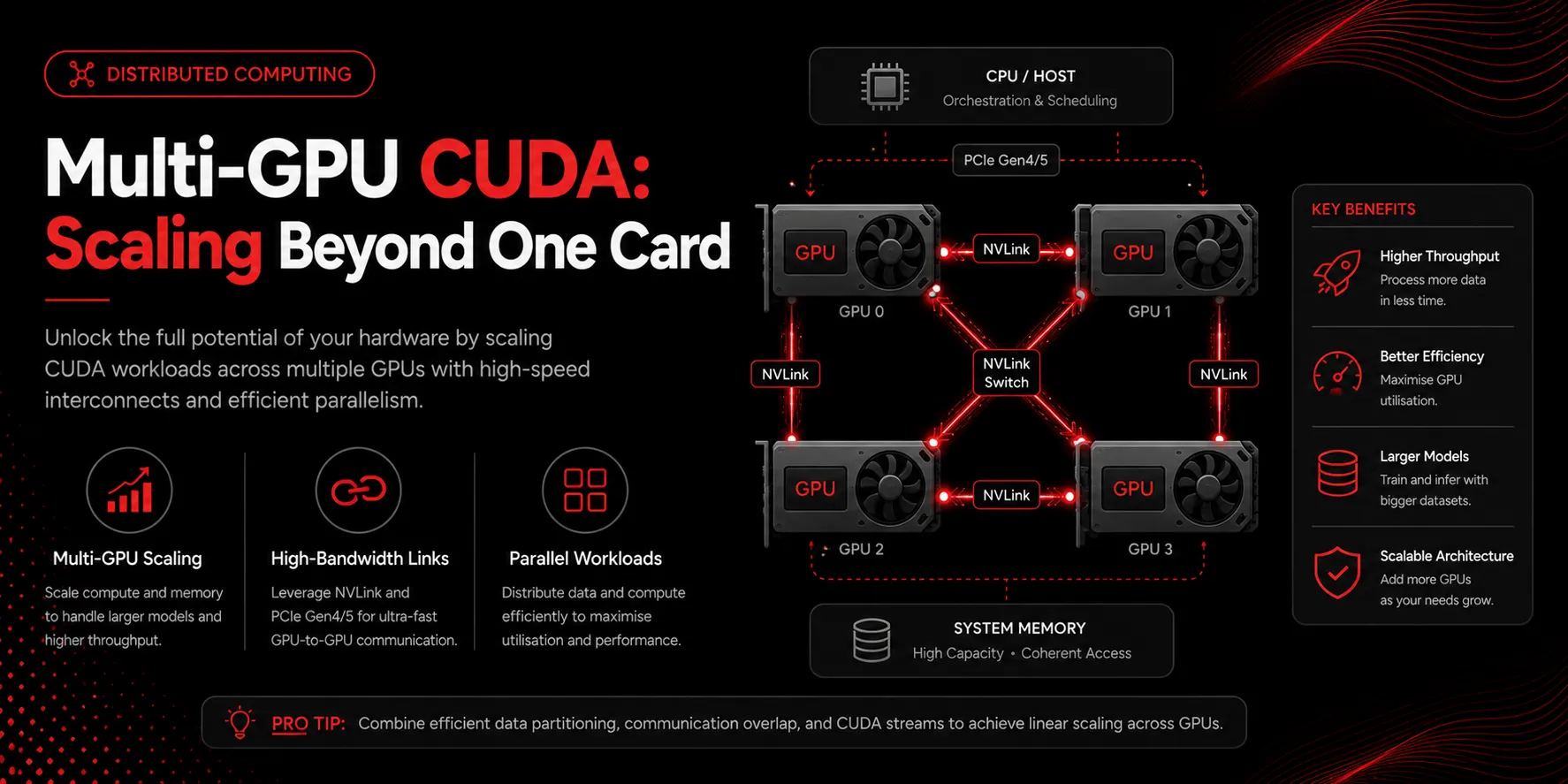
A guide to scaling CUDA workloads across multiple GPUs without letting communication overhead eat your gains.
Read article →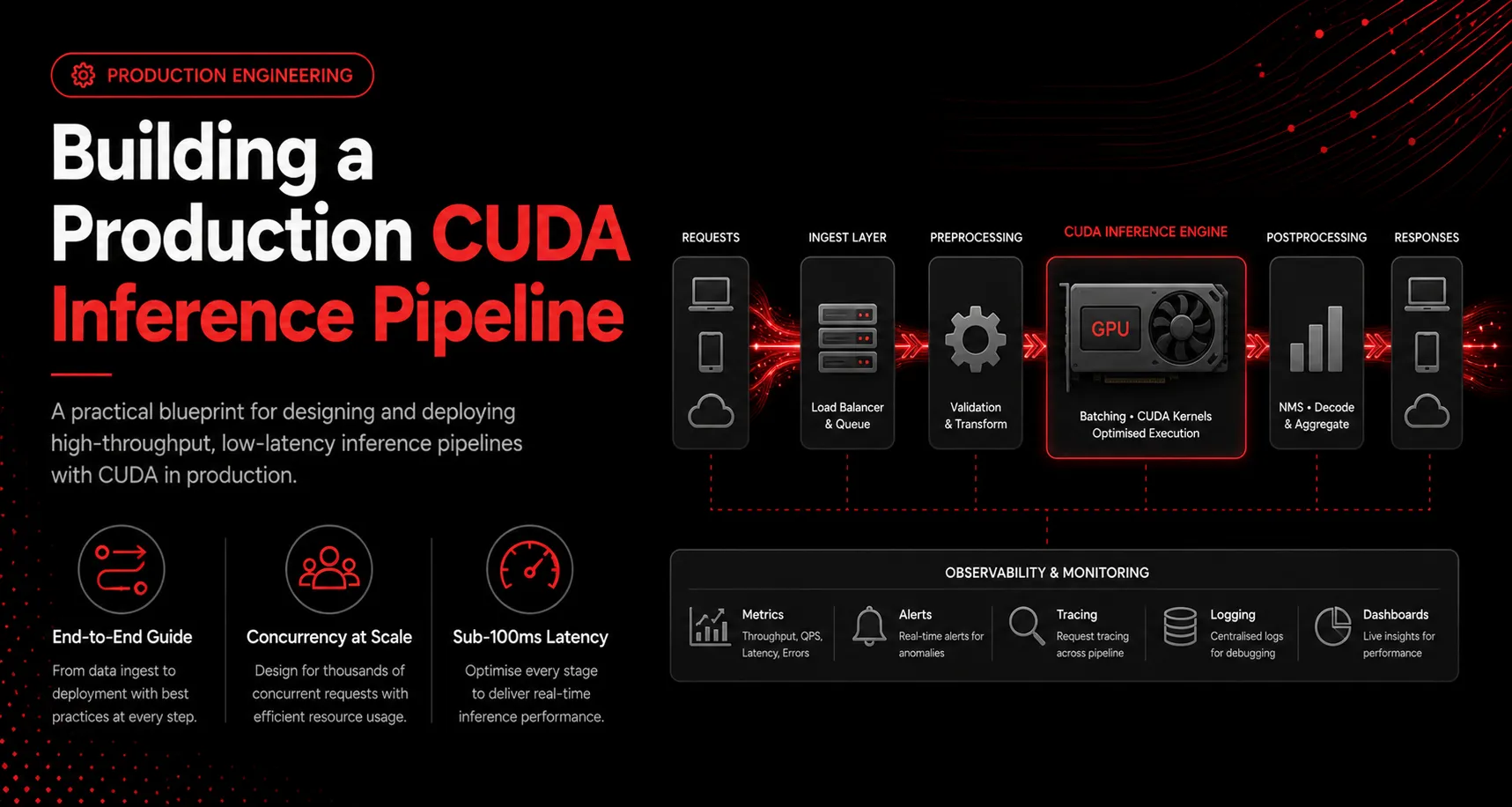
How to take a model from a notebook to a production CUDA inference service with batching, concurrency, and low latency.
Read article →Let us build something great
Tell us about your goals and our engineers will recommend the right approach across GPU, AI, and Odoo ERP. Reach out for a free consultation.